Wafer Cookies vs. Candy Bars for an Afternoon Treat
When the mid-afternoon slump hits, many people reach for something sweet to keep going. The choice often comes down to a quick candy bar or a packaged wafer cookie. Both are convenient, shelf-stable, and offer a sugar hit. But they work very differently in how they affect your energy, your appetite, and your overall eating habits. Understanding those differences can help you make a choice that fits your afternoon routine without setting you up for a crash.
What Each Option Brings to the Table
Candy bars are built for instant gratification. They are dense, often chocolatey, and packed with sugar and fat. That combination hits your taste buds fast and gives a quick spike in blood glucose. The problem is that spike tends to be followed by a drop, leaving you tired and hungry again within an hour or two. Many candy bars also contain little to no fiber, protein, or complex carbohydrates to slow down digestion. So while they satisfy a craving in the moment, they don't do much for sustained energy or fullness.
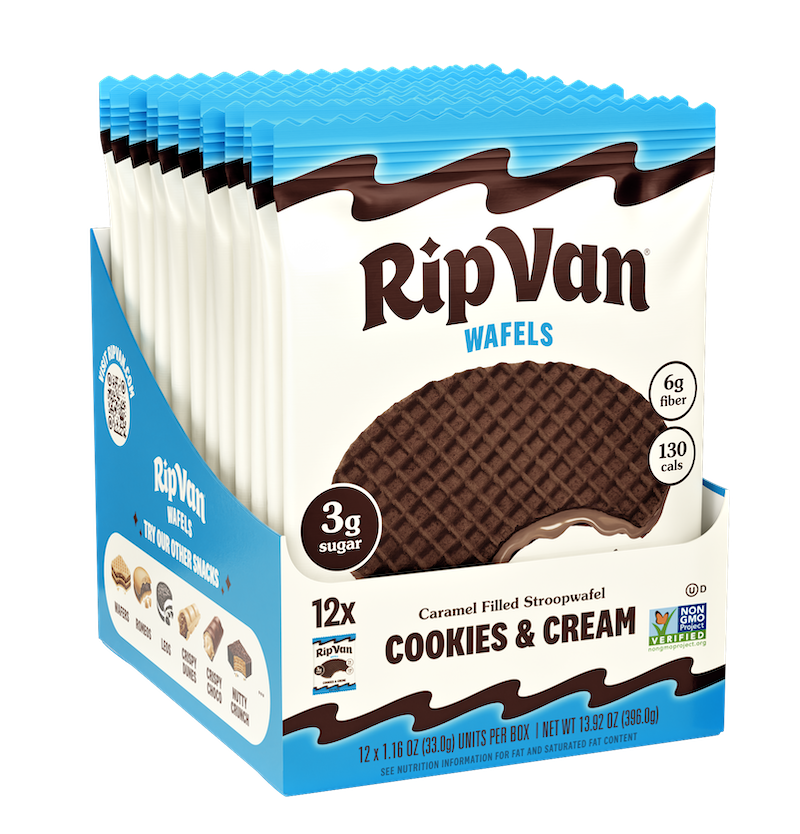
Wafer cookies, especially the kind made with whole grains or added fiber, take a different approach. A typical wafer cookie has a lighter, crisper texture and a filling that is sweet but not as concentrated. Because wafers are often larger in diameter and thinner, they encourage slower eating. You bite, crunch, and let the layers dissolve. That built-in eating pace gives your body more time to register that you have eaten something. Combined with fiber from the wafer itself or from added ingredients like oat flour or chicory root, the result is a slower release of sugar into the bloodstream. That means steadier energy and less of a crash afterward.
For someone looking for a more balanced sweet treat in the middle of the day, wafer cookies can be a practical swap. They still give you sweetness and a sense of indulgence, but they do it without the heavy sugar load that a candy bar delivers.
Portion Size and Calorie Density
Portion size plays a big role in how these snacks fit into your overall diet. A standard candy bar is a single, dense block. It is easy to eat in under a minute, and because it is small, you might think it is a light snack. But calorie density in candy bars is high. A typical bar can pack 200 to 300 calories in a very small volume. That energy comes almost entirely from sugar and fat, with little else.
Wafer cookies, by contrast, tend to be lower in calorie density per bite. A single wafer cookie might be about the same diameter as a small plate but is mostly air and thin layers. That means you get a larger physical volume for fewer calories. The trade-off is that you might want to eat more than one. But because the texture and sweetness are less intense, you are less likely to eat three or four without thinking. Many people find that one or two wafer cookies satisfy the same craving that a whole candy bar would, but with fewer calories and a gentler effect on blood sugar.
Texture and Eating Experience
Texture matters more than most people realize when it comes to snack satisfaction. Candy bars are uniform and chewy. You bite, it gives, and you swallow. The experience is over quickly. That can leave you feeling like you didn't really have a snack, just a sugar delivery system. The lack of chewing and the fast melt in the mouth mean that your brain gets a strong signal of sweetness but not much else.
Wafer cookies offer a multi-texture experience. The outer layers are crisp and shatter when you bite. The filling, often a caramel or vanilla cream, is softer and sticks to the wafer. That contrast in textures encourages you to eat more slowly and pay attention. The crunch also triggers a different kind of sensory satisfaction, one that comes from chewing and hearing the break. That extra step in the eating process can make a single wafer cookie feel like more of a treat than a candy bar that disappears in a few bites.
Fiber Content and Satiety
Fiber is one of the most important factors in how a snack affects your appetite. Most candy bars contain little to no fiber. Even bars that advertise oats or nuts often have those ingredients in small amounts, with sugar as the primary component. Without fiber, the sugar is absorbed quickly, and your stomach empties fast. That is why you can eat a candy bar and feel hungry again twenty minutes later.
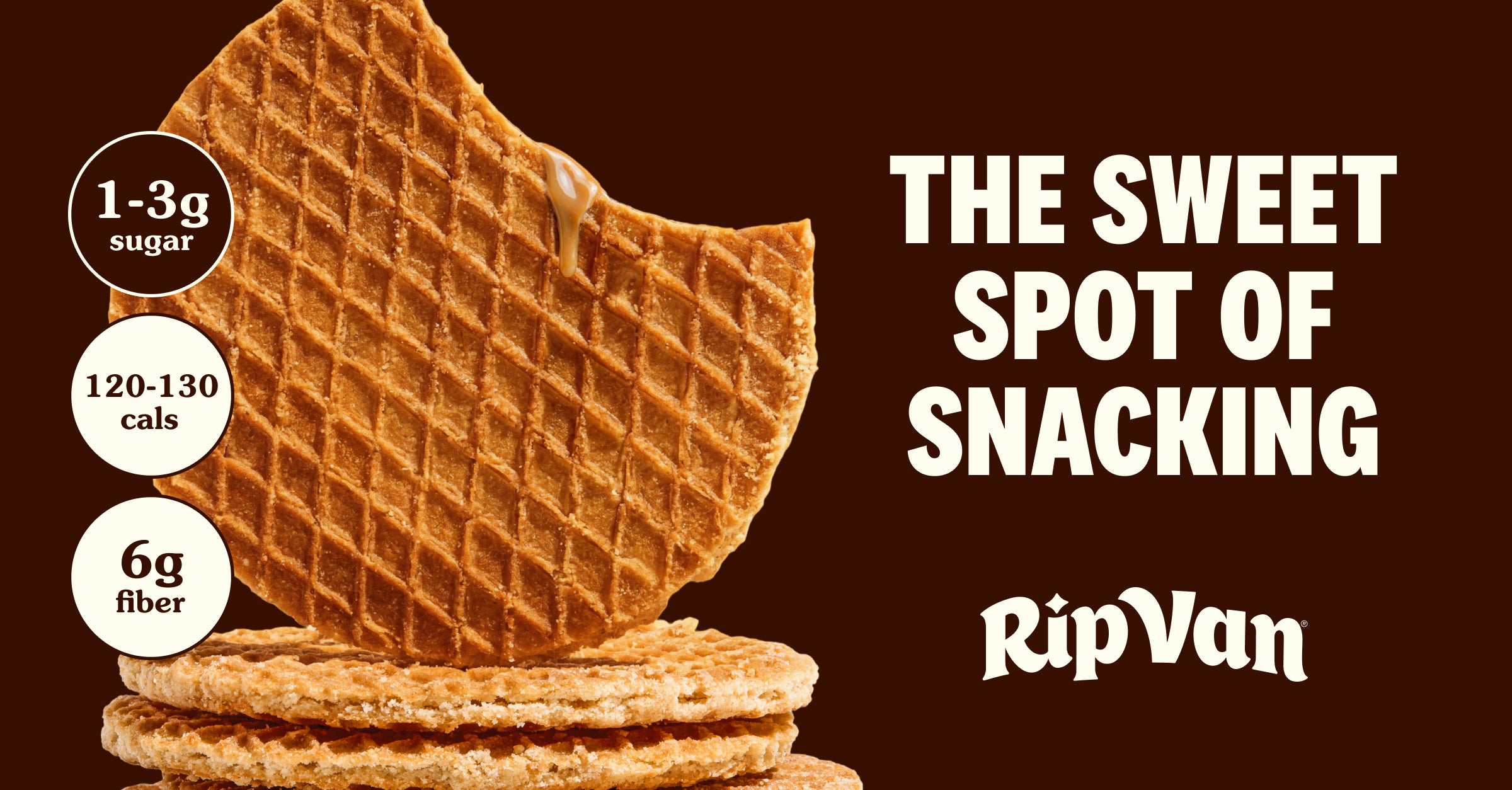
Wafer cookies, especially those made with whole grain flours or added fiber sources, can provide a modest amount of fiber per serving. That fiber slows digestion and helps you feel full longer. It also feeds the beneficial bacteria in your gut, which plays a role in long-term metabolic health. The effect is not dramatic, but over the course of a day, choosing a fiber-containing snack over a fiber-free one can add up. If you are trying to reduce overall sugar intake or manage your weight, that small difference matters.
Habit Formation and Cravings
The snacks you choose regularly shape your taste preferences and your cravings. Eating a candy bar every afternoon trains your brain to expect a very sweet, fast spike. Over time, that can make less sweet foods taste bland, and you may find yourself needing more sugar to feel satisfied. That cycle is hard to break once it sets in.
Switching to wafer cookies can help recalibrate your palate. They are sweet, but not as aggressively sweet as most candy bars. The lower sugar content and the slower eating pace give your taste buds a chance to register the flavor without overwhelming them. After a few weeks of choosing wafer cookies, you might notice that a candy bar tastes too sweet or cloying. That is a sign that your tolerance for sugar is dropping, which is a positive change for your overall health.
For many people, the afternoon snack is a habit more than a hunger signal. You eat because it is 3 PM and that is what you do. Breaking that habit is easier if you have a substitute that still feels like a treat. Wafer cookies fill that role well. They come in individual wrappers, they are easy to keep in a desk drawer or bag, and they feel special enough to mark the afternoon break. At the same time, they are less likely to trigger a sugar crash that leaves you reaching for another snack an hour later.
When Each Option Suits You
There is no absolute right or wrong here. Candy bars have their place. If you need a quick burst of energy before a workout or a long walk, the fast sugar can be useful. The same goes for situations where you have not eaten for hours and need something to raise your blood sugar quickly. In those cases, a candy bar is a tool, not a problem.
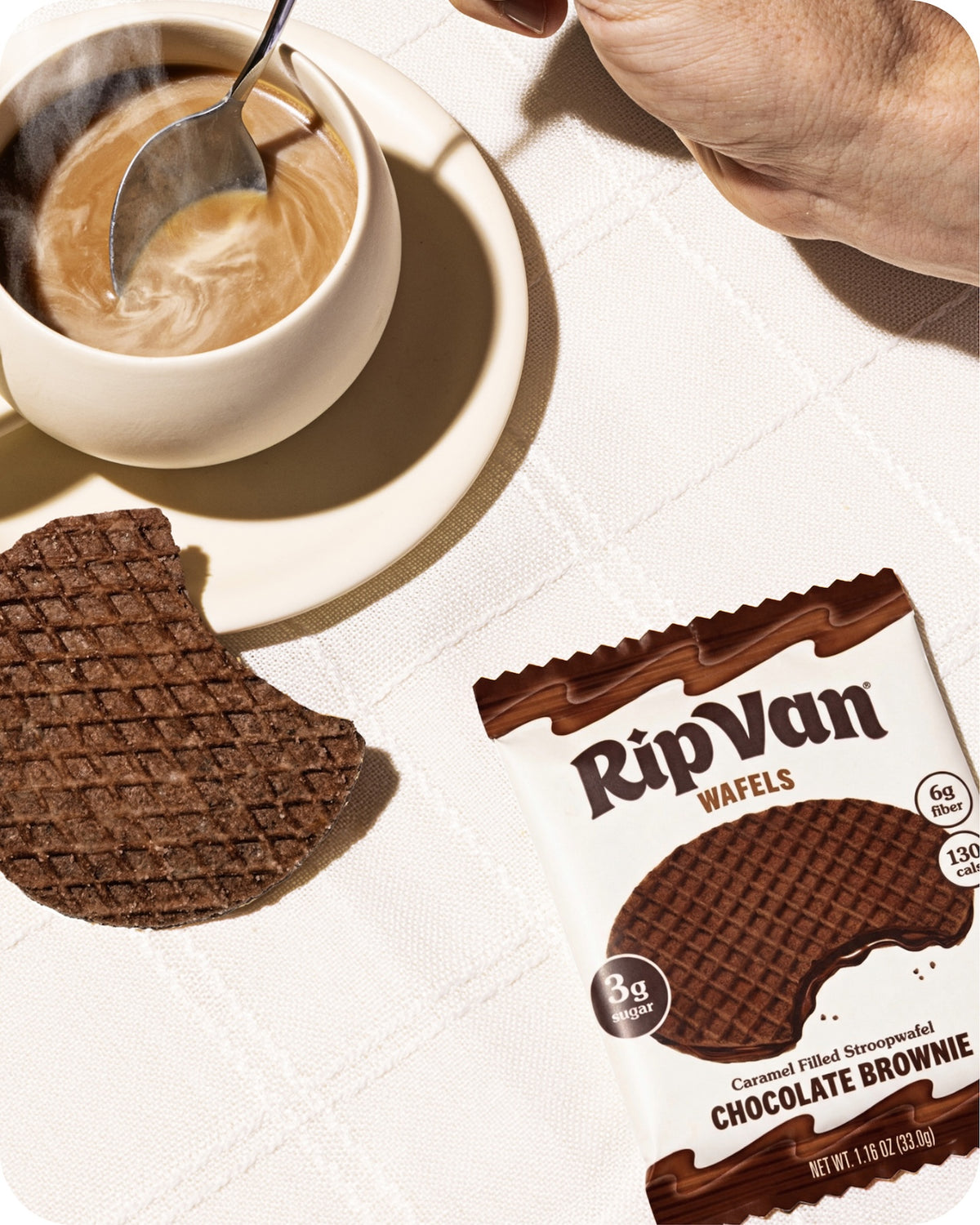
But for a routine afternoon treat, when you are sitting at a desk or at home, the slower, more balanced approach of wafer cookies tends to work better. You get the sweetness you want, the crunch feels satisfying, and you are less likely to overeat or feel sluggish afterward. That makes wafer cookies a more balanced sweet treat for most everyday situations.
The key is to pay attention to how you feel after eating. If a candy bar leaves you tired and hungry again within an hour, that is a sign to try an alternative. If wafer cookies leave you satisfied and able to focus until dinner, they are probably the better fit for your routine. Over time, small choices like this add up to better energy, steadier appetite, and a healthier relationship with sweets.